
Useful Information
The Rental Side of Real Estate Is Getting Harder to Manage Casually
For landlords, property managers, and investor-focused agents, operations matter more than most people realize.
Welcome back, NAR members.
As always, we’re here to keep you informed while cutting out the fluff. Let’s get right into it.
A lot of real estate professionals think about investment property mainly at the transaction stage.
Find the property.
Analyze the numbers.
Write the offer.
Close the deal.
That part matters, obviously. But for landlords, property managers, and investor-focused agents, the real business starts after closing.
That’s where the rental side can get messy fast.
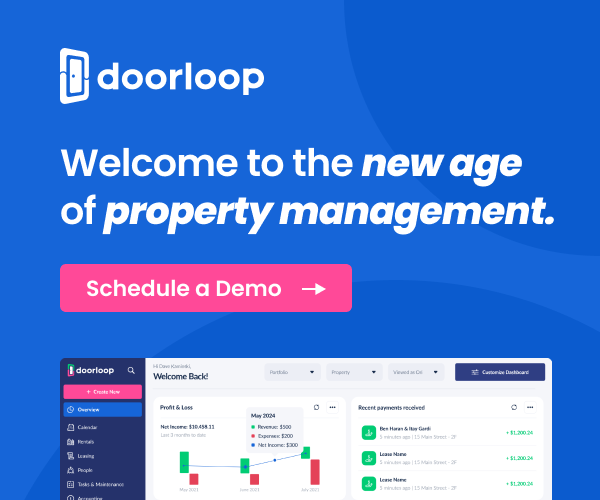
If you manage rentals, own rentals, work with landlord clients, or have ever thought about building property management into your business, DoorLoop is worth keeping on your radar.
The deal is only the beginning
A rental property does not become a good long-term asset just because the purchase made sense on paper.
After closing, someone still has to manage the actual operation:
rent collection
lease tracking
maintenance requests
tenant communication
owner reporting
expense tracking
renewals
late payments
vendor coordination
None of those tasks are especially shocking on their own. The problem is that they stack up, and the more doors someone manages, the less forgiving the process becomes.
That is where casual systems start to break.
A spreadsheet may work for one property. A shared inbox may work for a little while. A few reminders and sticky notes may get someone through the first lease cycle.
But eventually, the weak points show up.
A maintenance request gets missed. A lease date sneaks up. A rent issue takes too long to track. An owner asks for a report and suddenly the numbers are scattered across three different places.
That is not just annoying. It makes the business feel less professional than it should.
Why agents should care, even if they do not manage property
This is not only a property manager issue.
Agents who work with investors, landlords, or rental owners should understand this side of the business because it affects the client’s long-term experience.
A buyer may ask about cash flow before closing, but after closing they start caring about a different question:
“How hard is this going to be to manage?”
That question matters.
Because if the operational side feels chaotic, the client may hesitate to buy the next property. If the management side feels organized, they are more likely to grow the portfolio, stay active, and come back when they are ready for the next deal.
That is why rental operations are not just back-office work. They affect confidence, retention, and growth.
For anyone managing rentals or advising clients who do, it is worth taking a minute to see how organized property management software actually works.
The shift happening now
The rental market has become more operational than casual.
Owners are more data-aware. Tenants expect faster communication. Investors want cleaner reporting. Property managers are being asked to do more with less friction.
That means the old “we’ll just keep track of it manually” approach gets harder to defend as the portfolio grows.
Good systems do not replace judgment. They just make the work easier to manage.
The right platform should help keep the core pieces in one place: payments, leases, tenants, maintenance, accounting, owner communication, and reporting.
That is the real value. Not software for the sake of software, but less chaos in the parts of the business that tend to create the most friction.

Where DoorLoop fits
DoorLoop was built for property managers and landlords who wanted an easier, more affordable, all-in-one way to manage their portfolios.
That is the key phrase here: all-in-one.
For the right user, the value is not just having another tool. It is having one place to manage the parts of rental ownership that usually get scattered.
If you are a property manager, landlord, broker/owner, investor, or an agent who works closely with rental clients, this is the type of platform that may be worth looking at before the operational side gets bigger than your current system can handle.
You can check out DoorLoop here if that side of the business applies to you.
The bottom line
Not every agent needs property management software.
But a lot of real estate professionals touch the rental side in some way, either through investor clients, rental owners, property management, or their own portfolio.
And once rentals move beyond a casual side project, the systems matter.
The cleaner the operation, the easier it is to grow. The messier the operation, the faster small problems start eating up time.
If property management is part of your business now, or something you want to build toward, this is worth a look.